

Why is it needed?
If a coronary angiography reveals a significant narrowing or blockage in the arteries supplying your heart, the blood flow to the heart muscle is compromised. This can cause chest pain (angina) or, in acute cases, a heart attack. Angioplasty is the procedure of choice to open these blockages, restore normal blood flow, and prevent future cardiac events.
The Procedure
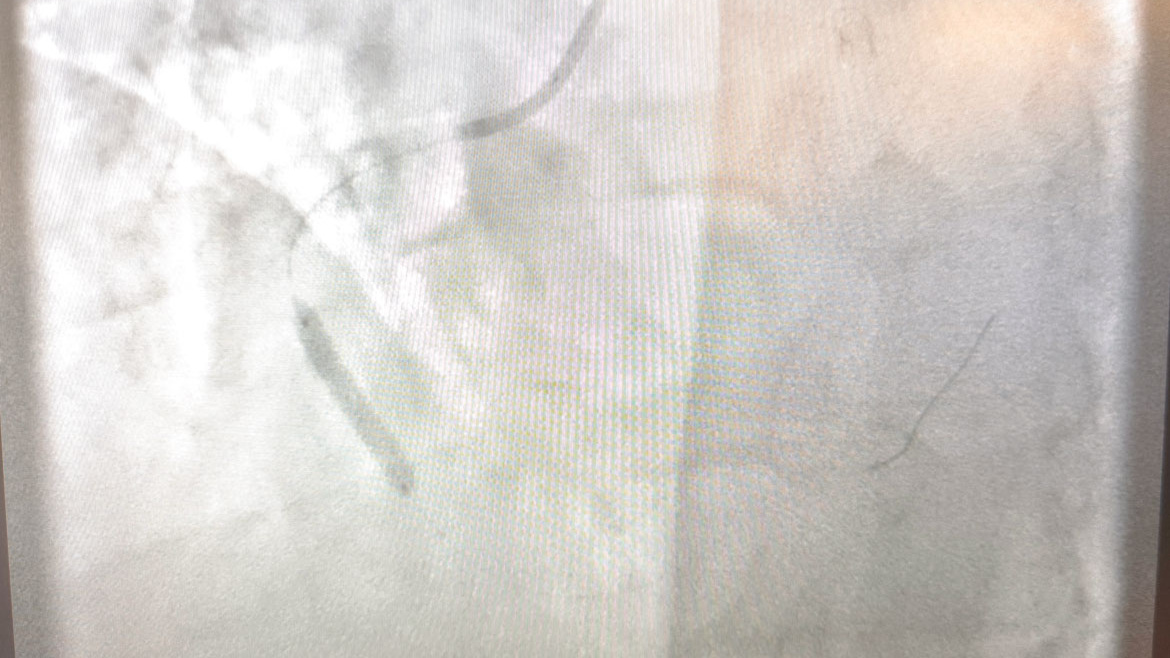
Angioplasty is usually performed immediately after a diagnostic angiography or as a scheduled procedure, most commonly via the radial artery (in the wrist) under local anesthesia. A specialized catheter with a tiny balloon at its tip is advanced to the narrowed site. The balloon is inflated to widen the artery. Afterwards, a small metal mesh tube called a Stent (often drug-eluting) is implanted to act as a scaffold, keeping the artery permanently open. The procedure is generally painless; you might only feel a mild chest pressure when the balloon is inflated.
Possible Complications
Coronary angioplasty is a very safe, routine procedure. As with any medical intervention, minor risks exist, such as bruising at the puncture site or a mild allergic reaction to the contrast dye. Rare complications (less than 1%) include damage to the blood vessel, arrhythmias, or blood clot formation inside the stent. Severe, life-threatening complications like a heart attack or stroke during the procedure are extremely rare.
After the Procedure
Patients typically stay in the hospital overnight for observation. You will receive specific discharge instructions. It is absolutely crucial to take your prescribed antiplatelet medications (blood thinners) exactly as directed to prevent blood clots in the new stent. You will usually be able to return to your normal daily activities within a few days.