
Why is it needed?
When medications fail to control the symptoms or cause intolerable side effects, catheter ablation offers a highly effective treatment option. The goal is to electrically isolate the areas that generate the abnormal electrical signals triggering the arrhythmia.
The Procedure
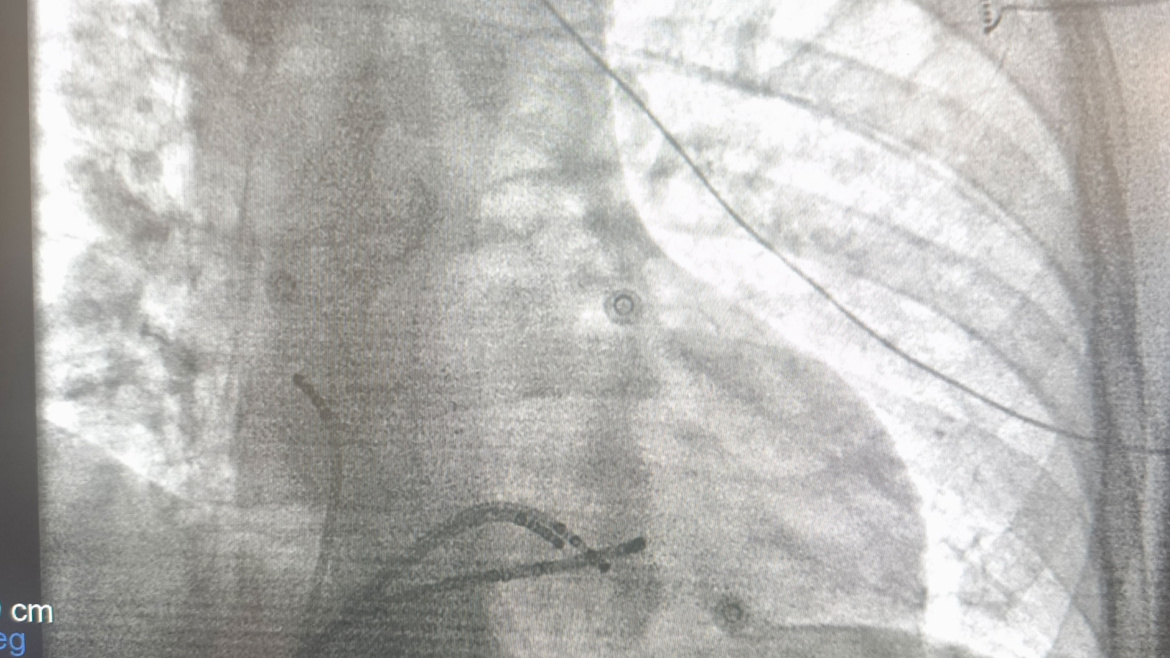
The procedure takes place in an electrophysiology lab, typically under deep sedation or light general anesthesia, ensuring you feel no pain. Thin catheters are introduced through the femoral vein (in the groin) and guided to the heart. Using advanced 3D mapping systems, the doctor pinpoints the problematic areas. Then, either heat (Radiofrequency ablation) or freezing cold (Cryoablation) is applied to create tiny scars. These scars act as barricades, blocking the faulty electrical pathways.
Possible Complications
Catheter ablation is a safe and well-established procedure, though it is more complex than a standard angiography. The most common minor complication is bruising or bleeding at the catheter insertion site in the groin. Rare complications include fluid accumulation around the heart (pericardial effusion) or damage to nearby blood vessels or nerves. Severe complications, such as stroke or damage to the esophagus, are extremely rare (less than 1%) due to stringent safety monitoring during the procedure.
After the Procedure
You will need to lie flat for a few hours immediately after the procedure to prevent bleeding from the groin. Hospitalization usually lasts for 1 to 2 days. It is normal to experience some mild palpitations or “fluttering” during the first few weeks as the heart tissue heals. You will be required to continue taking blood thinners for a specified period, exactly as instructed by our team.